 CALL
CALL TEXT
TEXT

Cognitive Behavioral Therapy (CBT)
At Psychological Health of South Jersey, Dr. Guggenheim provides Cognitive Behavioral Therapy (CBT) in South Jersey, a practical approach that helps patients identify unhelpful thoughts, change patterns, and build healthier coping skills.
Understanding Cognitive Behavioral Therapy
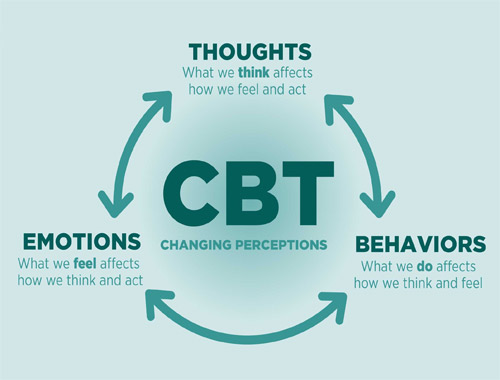
CBT is based on the understanding that the way we think can strongly influence how we feel emotionally and how we respond to situations. When people experience anxiety, depression, or chronic stress, they often develop patterns of negative or unhelpful thinking that can increase emotional distress and make coping more difficult. Over time, these patterns may contribute to cycles of worry, hopelessness, avoidance, self-criticism, perfectionism, emotional overwhelm, or feeling emotionally stuck.
The goal of CBT is not simply to "think positively." Instead, CBT helps patients become more aware of unhelpful thought patterns, understand how those patterns affect emotions and behaviors, and develop healthier, more balanced ways of responding. By gradually changing unhelpful thinking and behavioral patterns, many people begin to experience improvements in mood, emotional resilience, coping, confidence, relationships, and overall well-being.

The Connection Between Thoughts, Emotions, and Behaviors
CBT is grounded in the idea that thoughts, emotions, behaviors, and physical sensations are all interconnected. For example, a person who constantly worries that something bad will happen may begin feeling physically anxious, emotionally overwhelmed, and more likely to avoid situations that feel uncomfortable or uncertain. Similarly, someone struggling with depression may begin having automatic thoughts such as "I'm a failure" or "Nothing will ever get better," which can increase feelings of hopelessness, withdrawal, and low motivation. Over time, these patterns can become deeply ingrained and difficult to break without support and intervention.
One of the goals of CBT is to help patients recognize these patterns and learn healthier ways of responding to them. Rather than automatically believing every thought that enters the mind, patients learn how to slow down, examine their thoughts more objectively, and respond in ways that feel more balanced, realistic, and supportive. This process can help reduce emotional suffering while also improving coping skills, self-awareness, and confidence.
Common Patterns CBT May Help Address
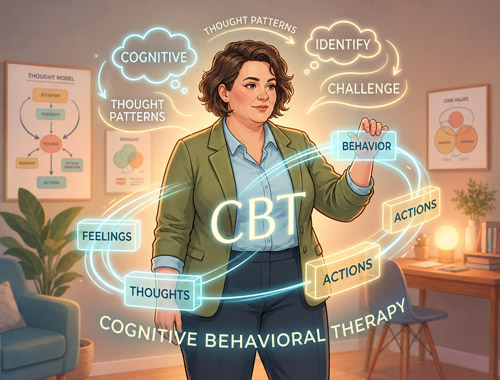
Some common patterns CBT may help address include:
- catastrophic thinking
- overthinking and excessive worry
- black-and-white thinking
- self-criticism
- perfectionism
- assuming the worst
- negative self-beliefs
- avoidance behaviors
- fear of uncertainty
- difficulty tolerating uncomfortable emotions
Many people are not fully aware of how much their thoughts influence their emotional well-being. Thoughts often happen automatically and can feel completely true in the moment, especially during periods of stress, anxiety, or depression. CBT helps patients become more aware of these automatic patterns and recognize how certain thoughts may unintentionally increase distress, fear, shame, hopelessness, or self-doubt.
What Cognitive Behavioral Therapy Sessions May Include

Therapy can help identify the thoughts, behaviors, and emotional patterns that may be contributing to distress. Sessions are collaborative, supportive, and tailored to your individual needs and goals. CBT is often an active form of therapy, meaning patients not only gain insight during sessions but also learn practical strategies they can begin applying in everyday life.
CBT may include:
- identifying and reframing unhelpful thoughts
- learning coping and grounding strategies
- improving emotional awareness
- building healthier behavioral patterns
- reducing avoidance behaviors
- gradually facing fears or stressful situations
- strengthening self-confidence and self-compassion
- improving communication, problem-solving, and stress management skills
- developing healthier responses to stress and emotional triggers
- increasing engagement in meaningful or rewarding activities
Learning to Respond Differently to Thoughts
An important part of CBT is learning that thoughts are not always facts. Many people automatically assume the worst, blame themselves, or become trapped in patterns of fear or self-doubt without realizing how strongly these thoughts influence emotions and behaviors. CBT helps patients slow down these patterns, evaluate them more objectively, and respond in ways that feel healthier and more manageable.
Building Practical Coping Skills
CBT is typically structured, goal-oriented, and focused on helping patients build practical tools they can continue using outside of therapy. Sessions may involve exploring emotional triggers, recognizing patterns of thinking, practicing coping skills, building routines and structure, or gradually increasing engagement in activities that support emotional well-being. Patients are encouraged to practice the skills learned in therapy between sessions so they can begin applying these tools more naturally in daily life.
Reducing Avoidance and Strengthening Emotional Resilience
Another important component of CBT is behavioral change. When people struggle emotionally, they often begin avoiding situations, withdrawing from relationships, or disengaging from activities that once brought enjoyment, meaning, or confidence. Avoidance can strengthen anxiety, depression, and emotional distress over time. CBT helps patients gradually reduce avoidance patterns and take manageable steps toward behaviors that support emotional well-being, confidence, and daily functioning.
Conditions CBT Can Help Treat
CBT can be helpful for individuals experiencing a wide range of emotional difficulties, including anxiety disorders, depression, panic attacks, stress, social anxiety, health anxiety, phobias, obsessive thinking, low self-esteem, and adjustment to difficult life circumstances. Because CBT focuses on practical coping tools and skill-building, many patients find it empowering and effective in helping them better manage emotional challenges both during and outside of therapy sessions.

A Supportive and Collaborative Therapy Process
At times, therapy may feel emotionally uncomfortable, especially when discussing painful experiences, confronting fears, or challenging long-standing patterns of thinking and behavior. But these moments are often part of the healing process and can create opportunities for meaningful growth and change. Dr. Guggenheim's goal is always to move at a pace that feels supportive, manageable, and collaborative.
Therapy should feel both supportive and actionable. Along with emotional support and insight, Dr. Guggenheim helps patients build realistic strategies they can apply outside of sessions so they can begin feeling more capable, balanced, and emotionally resilient over time. Her approach combines practical, evidence-based tools with warmth, compassion, and a nonjudgmental environment where patients feel understood and supported.

Meaningful Change Over Time
CBT is not about becoming a completely different person or never experiencing difficult emotions. Rather, it focuses on helping patients develop healthier ways of understanding and responding to challenges so they can feel more empowered and emotionally balanced in their daily lives. Change often happens gradually, and progress may occur in small but meaningful steps over time.
Many people find that CBT helps them feel more aware of their thought patterns, more confident in their ability to cope, and more connected to themselves and their lives. With support, insight, and consistent practice, CBT can help patients create meaningful and lasting changes in emotional well-being, coping, relationships, and daily functioning.
Contact Psychological Health of South Jersey for Cognitive Behavioral Therapy (CBT)
Cognitive Behavioral Therapy (CBT) is an evidence-based approach that helps patients identify and change unhelpful patterns of thinking and behavior that may be contributing to emotional distress. By developing greater awareness of the connections between thoughts, emotions, and behaviors, patients can learn practical skills to better manage challenges and create meaningful, lasting change.
Psychological Health of South Jersey provides CBT for anxiety, depression, stress, low self-esteem, relationship difficulties, life transitions, health anxiety, and other concerns that may be interfering with daily functioning and well-being. Treatment is tailored to each patient's unique needs and goals, helping them develop healthier coping strategies, build resilience, and feel more confident navigating life's challenges.
To learn more about Cognitive Behavioral Therapy (CBT) or to schedule an appointment, call or text Psychological Health of South Jersey at 856-565-8066, or email Dr. Guggenheim.

